Paris has many qualities, including the fact that it occupies a prominent place in guidebooks about France. Other cities, however, have their own selling points. Some are by the sea. Others know just what to do with a bottle of wine, an old factory, or your sweet tooth.
So, which French city is really worth a visit? The answer depends on what you like to do once you get there. Admiring monuments, of course. But also choosing a restaurant, stepping inside a shop, and walking around with no particular destination in mind. All those little things that ultimately determine whether you enjoyed your stay.
Here are a few suggestions to help you choose based on your preferences. From Toulouse, where our hotel—the Hôtel d’Orsay, which offers the best value for money—is located, we’ve made an effort to remain impartial. You’ll have to take this into account, because as lovers of our city, we naturally consider it the most beautiful place on Earth.
For cultural enrichment, choose the stories that appeal to you
“A cultural city”: the phrase is convenient, but it encompasses very different realities. You might love Romanesque churches but find an art exhibition boring; devour art museums but not find any pieces to your taste; admire the architecture and its history but not be able to find your way around the historic neighborhoods—or get lost in them.
Lyon appeals to lovers of urban history, with its historic neighborhoods and traboules—those passageways that run through the buildings. Strasbourg offers a window into Alsatian history and its French and German influences. Toulouse brings together, in a single destination, the Basilica of Saint-Sernin and the Cité de l’Espace. The contrast is quite pleasant. Above all, the historic center feels tiny to anyone accustomed to large cities. And yet, it’s packed with cultural treasures, museums, and architectural wonders that are all within walking distance.
What matters is finding places to visit that you’ll want to talk about. Explore the collections, the venues, and the themes. Two discoveries that excite you are a better start to your trip than twelve “must-see” spots you’ve checked off out of a sense of duty. No one will be collecting your “answers” when you leave.
Toulouse is especially well-suited for those who enjoy moving from one world to another. Its historic heritage, the historic center and its museums, and scientific adventures like the Cité de l’Espace or the Halle de la Machine offer a wide variety of ways to spend a day. This is especially handy when your travel companions’ tastes don’t exactly match your own.
When it comes to fine dining, follow your appetite
In this regard, competition from France is frankly unfair.
Lyon is known for its bouchons, its quenelles, and a whole tradition of hearty cuisine. Bordeaux invites you to connect the contents of your glass to the surrounding vineyards. Nice offers a whole different repertoire with socca, farcis, and pan bagnat. It makes perfect sense to choose a destination based on what you want to eat there.
In Toulouse, the Victor-Hugo Market is a great place to start. You browse the stalls, you hesitate, and you realize that lunch is going to require more thought than you expected. Cold cuts, cheeses, and regional specialties give the Southwest a pretty compelling presence. Then it’s just a matter of deciding how much of that appeal you want to take home with you.
Imagine your ideal meal. A long table? A few specialties to nibble on? A wine tasting at a vineyard? Your answer will help decide between the cities. Think also about everyday meals—those on the second night or the last day at lunchtime—they count just as much as the special occasion. As for cassoulet, it’s a valid answer—even if the question was originally about museums.
When it comes to architecture, find a setting where you’ll want to walk around
There are cities where you take a picture of a single building. And then there are those where you end up photographing the entire street, because the whole scene works.
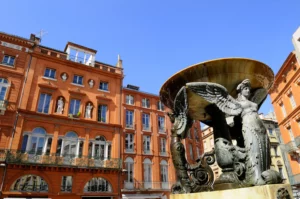
Bordeaux charms with its light-colored stone, grand facades, and sweeping views. Strasbourg offers half-timbered buildings and the reflections of Petite France. In Toulouse, brick gives the cityscape a distinctive color that changes as the light shifts throughout the day.
This factor is worth considering. A city’s atmosphere is with you between all your sightseeing stops: on your way to lunch, while looking for a bookstore, and as you head home in the evening. You’ll likely spend more time walking its streets than standing in front of its most famous landmark.
Why not browse through a few photos of neighborhoods, beyond the iconic views? Do the narrow streets draw you in? Do you like large squares, inner courtyards, and slightly irregular facades? In Toulouse, the pleasure often lies in looking up at just the right moment. To understand this color that everyone talks about, we’ve dedicated an article to the history of the “Pink City.” We think the result turned out pretty well. So does the city.
For a taste of the good life, take a look at what happens between visits
At nine o’clock, some people want to be in front of a museum. Others look for a sidewalk café and think the day is off to a great start.
Before choosing your destination, imagine the times when you won’t have anything planned. Do you prefer strolling along the seafront, watching the boats in a harbor, exploring the shops, or spending a long time at a restaurant? Nice and Marseille naturally attract lovers of the Mediterranean. Annecy combines an old town with walks along the lake.
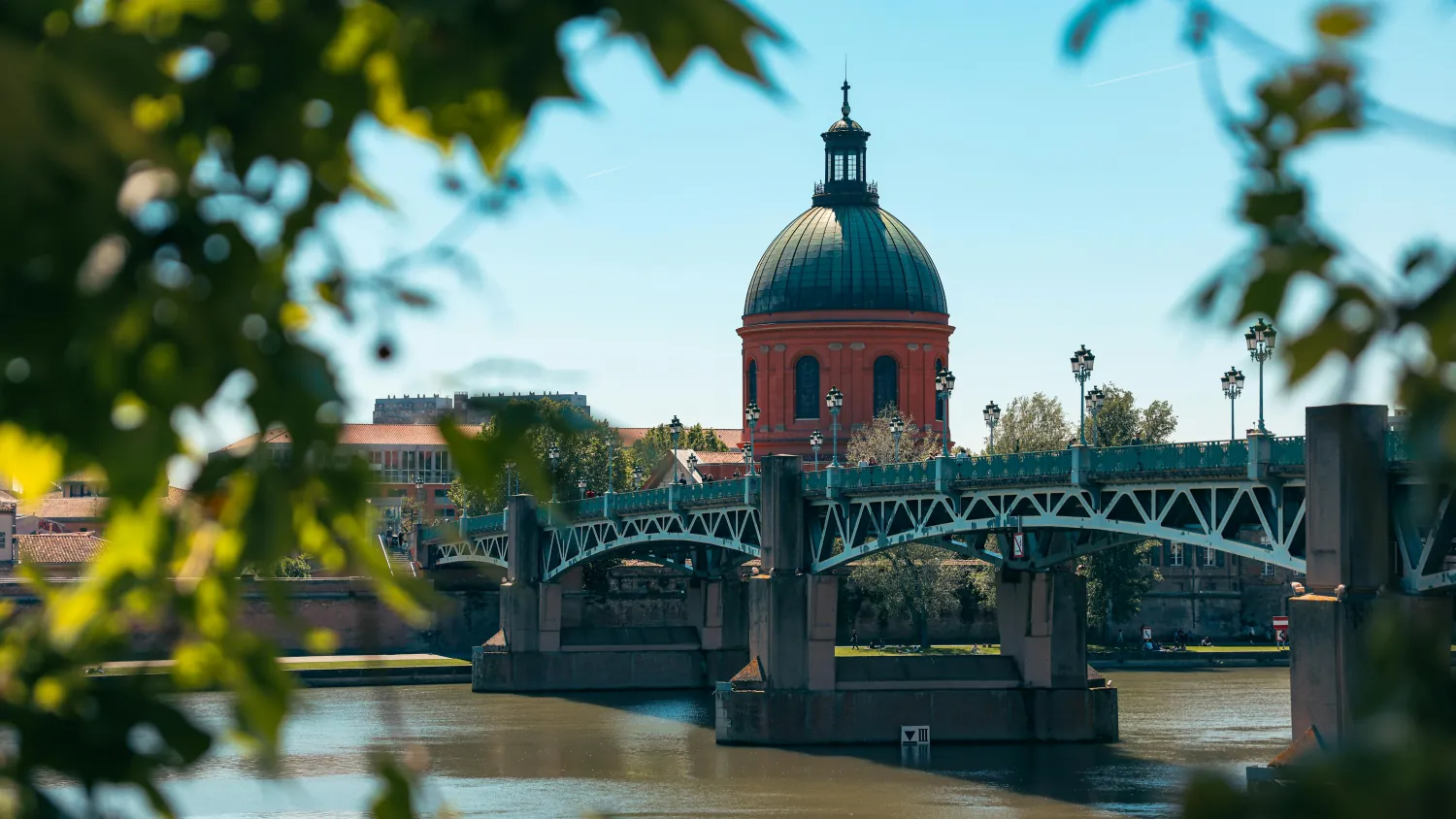
Toulouse offers a lifestyle centered around squares, neighborhoods, and riverbanks. Its historic center is best explored on foot; it’s easy to find spots to take a break along the way. Depending on the time of day, you can seek out the hustle and bustle or simply settle in to watch the city go by.
Perhaps the real test is this: Would you enjoy coming back to the same place tomorrow? A café you revisit, a neighborhood whose streets you’re beginning to recognize, a walk taken at a different time—these things lend your stay a pleasant sense of familiarity. At the Orsay, we love this idea of travel. It also leaves time to go home and rest.
When it comes to climate, specify what you expect from the South
“Going to the South” can mean quite different kinds of vacations. In Nice, the sea is part of everyday life during your stay. In Toulouse, you’re in the Southwest, inland. The Garonne River is picturesque, but we’d rather avoid any misunderstandings when it comes time to pack our beach towels.
Also, choose based on the season and your activities. If you’re going to be walking for several hours, the temperature matters. When it comes to outdoor seating, the weather has the final say. For museums, a rainy day can be a great excuse.
Toulouse gets hot in the summer, so it’s best to adjust your schedule and plan for breaks. Our guide to visiting Toulouse when it’s hot offers some practical tips. The sun is a major draw for tourists—until you start looking for shade.
For originality, leave room for a surprise
A destination can also be appealing because you don’t quite know what to expect yet. It’s nice to discover a city that you haven’t already seen in countless photos.
Toulouse brings together elements that are rarely associated with one another: medieval heritage, the aerospace industry, the markets of southwestern France, and mechanical creatures at the Halle de La Machine. That provides plenty to talk about even before rugby comes up.
This variety is important when traveling in a group. It allows you to share choices and lets everyone lead the others to a new discovery. Sometimes, the outing that was suggested with the least enthusiasm ends up being the one everyone talks about afterward.
So look for a city that can surprise you in the areas that interest you. In Toulouse, our page dedicated to off-the-beaten-path discoveries can give you some ideas. We’ll save the details for when you start planning your trip.
So, which French city is worth visiting on your next trip?
When it comes to the sea, Nice and Marseille have obvious appeal. If you’re looking to combine city life with Alpine scenery, Annecy is worth considering. For wine, Bordeaux; for a trip where dining takes center stage, Lyon has a strong reputation. Strasbourg will particularly appeal to those seeking the architectural and cultural character of Alsace.
Toulouse is worth adding to your list if you enjoy combining history, fine dining, points of interest, and neighborhood life. It’s the perfect place to plan a varied trip, with a few major attractions and some more spontaneous moments. We’ll readily admit that we have a soft spot for this kind of trip.
Now you’re wondering what to do in Toulouse? Our article on planning a weekend in the city takes it from here, with ideas to help you go from choosing your destination to enjoying your time there.
And if you stay atthe Hôtel d’Orsay, across from Matabiau Station, our local team will help you find your way around. An independently owned hotel, a warm welcome, and personalized recommendations based on your preferences. When it comes to choosing a restaurant, we’ll be precise. But when it comes to confirming that you’ve chosen the right city, we’ll be far less modest.